

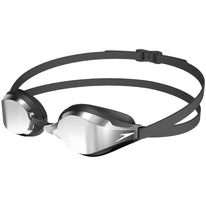
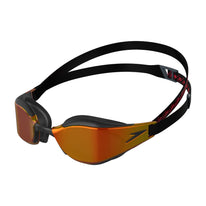
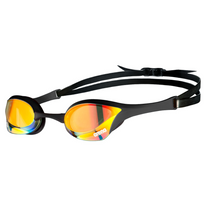
How Performance Swimwear Helps Improve Speed and Efficiency in the Water

This article forms part of our Competitive Swimming Knowledge Hub.
High-performance swimwear is a crucial tool that can significantly impact an athlete’s performance. The right swimwear minimises drag, helping you to glide through the water with ease. Every second counts, and every techsuit feature matters. This blog will explain why:
How are manufacturers using hydrodynamics in performance swimwear?
Human skin is actually not very efficient at moving through water, as it is relatively loose compared to the skin of aquatic creatures, which creates drag. Human skin is also not hydrophobic enough, producing natural oils that create highly viscous drag, or skin friction, which is the resistance force exerted on an object moving through a fluid. Speedo used this information to develop a polyurethane coating for swimsuits, creating an exceptionally hydrodynamic surface.
Performance swimwear is also made of lightweight fabric to prevent swimmers from being weighed down by their suits. One example is carbon fibre, which Arena uses to boost speed and endurance.
In addition to being lightweight, tech suits are often made with water-repellent fabric. This reduces water saturation and creates a frictionless surface that decreases drag.
These suits are also almost completely seamless, which reduces drag and enables a tighter fit.
How much faster does high-performance swimwear actually make you?
For swimmers, even a small improvement in drag resistance can be a game-changer in competitions. In fact, after the 2009 World Swimming Championships, Speedo's LZR suits were banned by World Aquatics in 2010, as swimmers wearing full-body polyurethane suits broke almost every world record.
However, one study (Hagedorn, 2013) tested the current range of tech suits for performance. In just over 5 metres, there was an average increase in speed of 0.27 seconds when wearing a tech suit and a domed cap.
While 0.27 seconds may not seem like much, it could mean the difference between gold and silver.
The right material and the right fit
When choosing performance swimwear, there are a few key features worth prioritising:
A snug, supportive fit: The right racing suit should feel close to the body without restricting movement. You should be able to move naturally, with no pinching, rubbing, or chafing around the straps, legs, or seams.
Targeted compression: All performance swimwear offers varying degrees of compression, which improves blood flow to your muscles and reduces lactic acid build-up. This is important for preventing tiredness and muscle pain during exercise, like swimming.
High-quality materials: Most racing swimwear uses technical fabrics such as nylon, polyester, and elastane. Look for options designed to repel water, minimise drag, and withstand chlorine for longer-lasting wear.
Performance-led design details: Features like bonded seams, engineered panels, and buoyancy-focused construction can help create a more streamlined shape and improve body position in the water—especially at speed.

Propel your swimming performance with Sporty Swim
While working hard at training your swimming skills, adding the right high-performance swimwear to the equation will help you achieve peak performance. In addition to physical benefits, these suits improve psychological needs as swimmers feel faster.